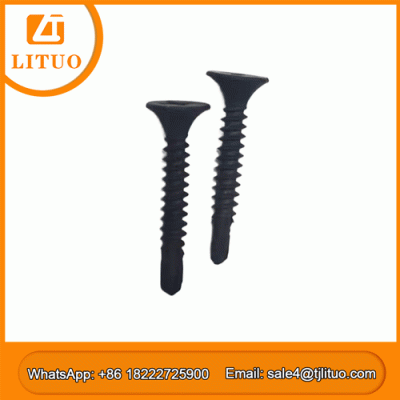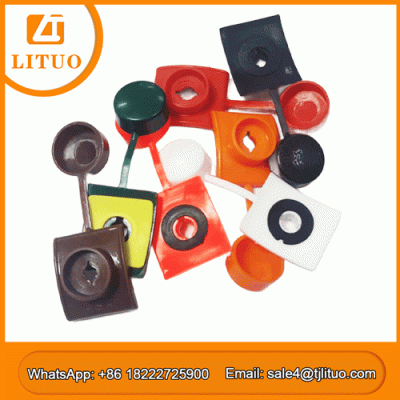
EPDM rubber and metal composite gaskets, also known as EPDM composite washers, combine the sealing elasticity of rubber with the structural strength of metal. They are widely used in building curtain walls, doors and windows, photovoltaic brackets, pipe connections, and mechanical equipment as sealing components for fasteners (bolts and screws), playing an important role in waterproofing, anti-loosening, and vibration damping and noise reduction.
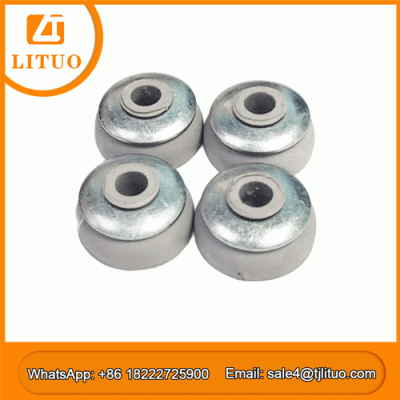
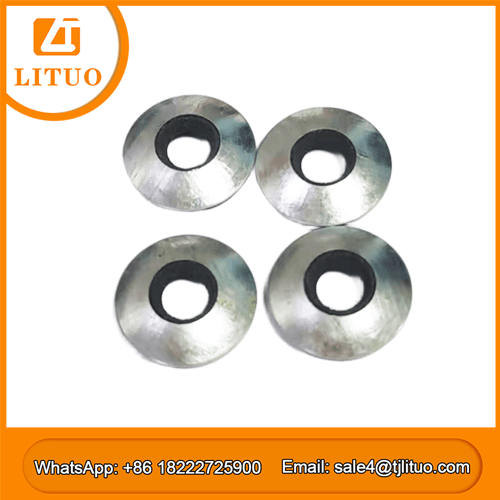
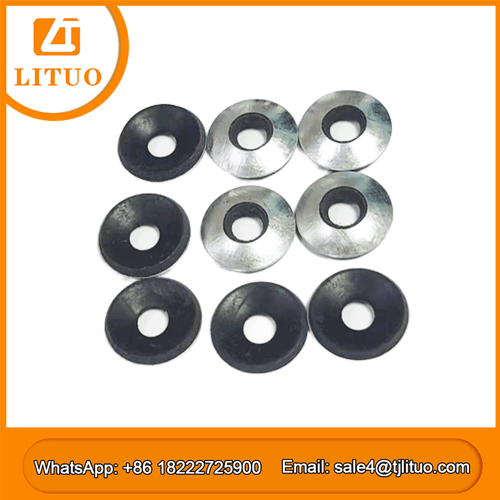
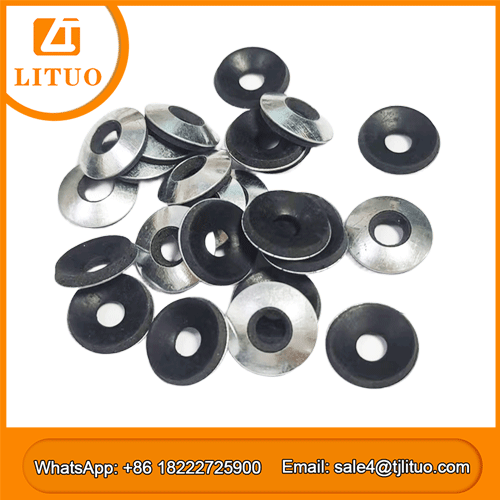
The gasket consists of two parts: an inner silver metal ring (usually galvanized steel or stainless steel) providing rigid support; and an outer layer of black EPDM rubber, forming a sealing and cushioning layer.
The overall structure is circular with a central hole. The black rubber surface has a matte texture, and the metal inner ring has a metallic luster with neatly cut edges, representing a standardized washer design.
EPDM (ethylene propylene diene monomer) rubber has excellent resistance to ozone, UV radiation, and high and low temperatures, and can operate reliably in environments ranging from -40℃ to 150℃, making it suitable for outdoor or extreme temperature applications.
It has good chemical stability: resistant to acids, alkalis, water, and some chemical media corrosion, not easily aging or deteriorating, ensuring long-lasting and stable sealing performance.
Elasticity and cushioning: The rubber layer has good elasticity, effectively absorbing vibrations, distributing pressure, and filling gaps in the contact surface to achieve reliable waterproof and dustproof sealing.
Functions and Uses:
Core function: It combines sealing, vibration damping, insulation, and compression resistance. The EPDM rubber provides sealing and cushioning, while the metal layer enhances the gasket's resistance to compression deformation, preventing the rubber from being excessively squeezed and damaged.